
Ultimate Guide To Foundation Repair Products For Homeowners
Get insights into essential foundation repair products that help protect your property and maintain its value.
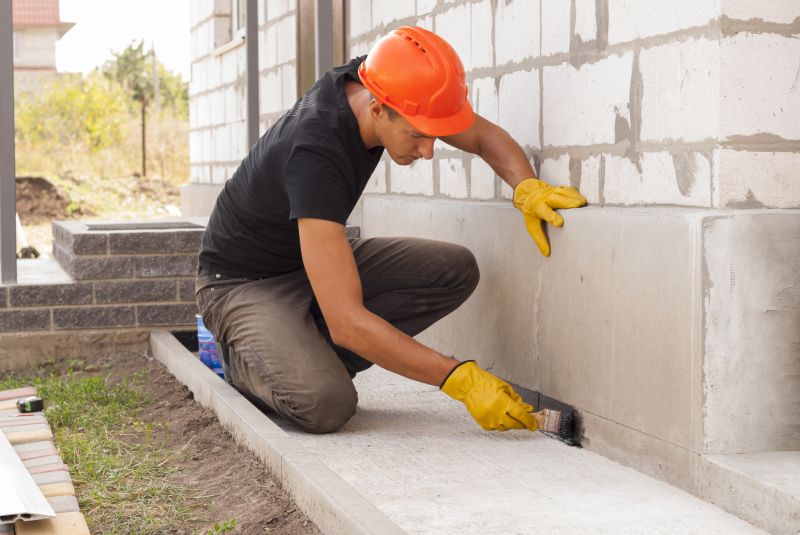 Foundation repairs are essential for maintaining the stability and safety of a building. When signs of foundation issues such as cracks, uneven floors, or sticking doors appear, it is important to consider appropriate repair products. These products are designed to address different types of foundation problems, including settling, shifting, or cracking. Proper selection and application of these solutions can help prevent further damage and preserve the structural integrity of the property.
Top Overall Option
Concrete Piers and Underpinning Systems
Concrete piers and underpinning systems are versatile options used to stabilize and lift foundations that have experienced settling or shifting. These systems involve installing concrete supports beneath the foundation to provide additional stability and prevent further movement. They can be customized to fit various foundation types and soil conditions, making them suitable for a wide range of repair needs. Proper installation by experienced professionals ensures effective support and long-term durability.
Types of Products For Foundation Repairs
Concrete Piers
Support foundations by transferring weight to stable soil below.
Helical Piers
Deep foundation support systems that screw into the ground for stability.
Push Piers
Steel piers pushed beneath the foundation to lift and stabilize.
Slab Jacking
Lifting sunken concrete slabs using grout or foam injections.
Polyurethane Foam Injectors
Rapidly lift and stabilize slabs with expanding foam.
Crack Sealants
Seal surface cracks to prevent water intrusion and further damage.
Epoxy Injection Kits
Fill and bond cracks in concrete to restore integrity.
Soil Stabilizers
Improve soil bearing capacity to prevent future shifting.
Hydraulic Jack Systems
Lift and level foundations during repair processes.
Foundation Braces
Provide temporary or permanent support to compromised walls.
Waterproofing Membranes
Protect foundation walls from water infiltration.
Drainage Systems
Improve water management around the foundation to reduce soil movement.
Grout and Mortar Patches
Fill small cracks and surface voids for added stability.
Fiber Reinforced Repair Materials
Enhance crack resistance and structural support.
Soil Replacement Materials
Remove and replace problematic soil beneath the foundation.
Vapor Barriers
Control moisture levels to prevent foundation issues.
Anchor Bolts
Secure foundation walls to the structure for added stability.
Popular Choices
Widely used for foundation stabilization and support.
Preferred for their adaptability in different soil types.
Commonly selected for lifting and stabilizing sinking foundations.
Popular for quick and minimally invasive slab lifting.
Frequently used to address surface cracks and water intrusion.
Effective for repairing cracks in concrete surfaces.
Essential for preventing water-related foundation issues.
Vital for managing water flow around foundations.
Help in maintaining soil integrity beneath the foundation.
Used for precise lifting and leveling during repairs.
Protect against moisture-related foundation problems.
Secure foundation walls and prevent movement.
Fill small cracks and voids effectively.
Add strength to repair areas and resist cracking.
Address problematic soil conditions beneath foundations.
Support compromised walls temporarily or permanently.
Prevent moisture from penetrating foundation walls.
In Champaign, IL, where soil conditions and climate can influence foundation stability, choosing the right products becomes even more critical. Foundation repair products vary widely in design, application, and suitability for specific issues. Some products are intended for minor cracks and surface leveling, while others are formulated for more significant structural concerns. Consulting with a foundation specialist can help determine the most appropriate solutions for your specific needs.
The process of foundation repair often involves multiple types of products working together. For example, underpinning systems may be used to stabilize the foundation, while sealants and fillers address surface cracks. It is also common to use hydraulic jacks and piers to lift and support sinking foundations. Proper installation and quality materials are key to ensuring long-lasting results and avoiding future complications. Regular inspections and maintenance can extend the lifespan of foundation repairs and contribute to the overall safety of the structure.
Whether you are dealing with minor cracks or more serious foundation issues, understanding the available products and their applications can help you make informed decisions. It is advisable to work with licensed professionals who can recommend the most suitable options based on the specific conditions of your property in Champaign, IL. Investing in the right foundation repair products can provide peace of mind and safeguard your investment for years to come.
Key Buying Considerations
- Identify the specific foundation issue to select appropriate products.
- Consider the soil type and conditions of your property in Champaign, IL.
- Evaluate the severity and extent of foundation damage before purchasing repair solutions.
- Check for compatibility of repair products with existing foundation materials.
- Prioritize products that offer durable and long-lasting support.
- Assess whether professional installation is recommended for certain products.
- Review manufacturer instructions and warranty details for each product.
- Determine if supplemental products like waterproofing or drainage are necessary.
- Consider ease of application and whether specialized tools or skills are required.
- Look into customer reviews and expert opinions for insights on product performance.
- Budget for both materials and professional labor if needed.
- Ensure products meet local building codes and safety standards.
- Think about future maintenance needs and product availability.
- Select products with proven track records in similar soil and climate conditions.
- Consult with foundation repair specialists for tailored recommendations.